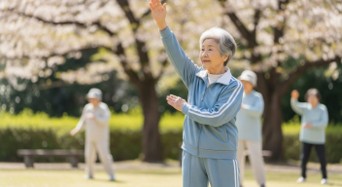
Japan has long embraced this mindset through movement, balance, prevention and mindful daily habits. Today, global wellness is moving in the same direction, combining modern science with traditional approaches to longevity.
The next evolution is not simply about living longer—it is about maintaining the ability to live well for longer. This is where regeneration becomes important. Recovery, mobility, sleep, nutrition and stress management are increasingly viewed as essential foundations for maintaining the body’s function and resilience.
Around the world, wellness is also becoming more connected to sustainability. People are beginning to understand that personal wellbeing cannot exist separately from the environments we live in. Nature, healthier spaces, community and responsible consumption are becoming part of the broader wellness conversation.
For the fitness and body-care industry, this creates a deeper responsibility. The goal is no longer simply to push the body harder, but to understand when to challenge it, when to recover it and how to preserve its capacity over time.