
Strength Training After 30: Build a Stronger Body for the Future
- by Atsu
- on
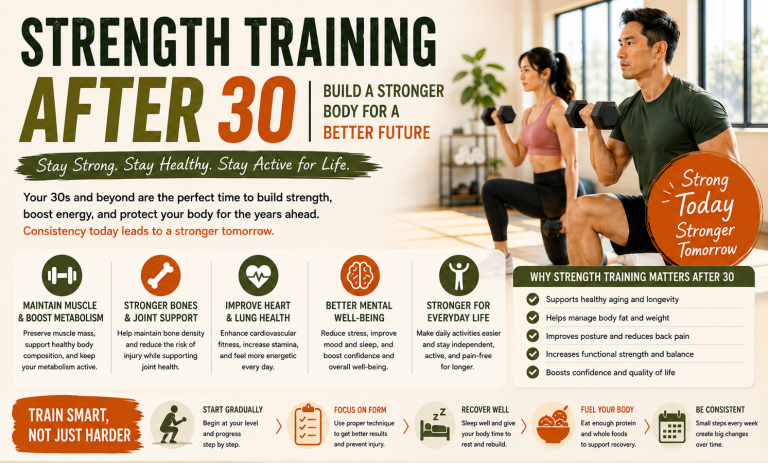
Strength Training After 30: Build a Stronger Body for the Future
Hello everyone,
Have you noticed that staying fit feels a little different compared with your 20s?
As we get older, maintaining muscle mass, strength, and overall fitness becomes increasingly important. From our 30s onward, our lifestyle, activity levels, recovery, and age-related changes can gradually affect our physical condition.
This is why strength training is not just about building bigger muscles. It is an investment in your future health, mobility, and quality of life.
Maintain Muscle and Support Your Metabolism
One of the biggest reasons to continue strength training after 30 is to maintain muscle mass.
As we age, we can gradually lose muscle, especially if we are physically inactive. Less muscle can make everyday activities more difficult and may also reduce the amount of energy our body uses throughout the day.
Regular resistance training helps preserve and build muscle while supporting healthy body composition.
Combined with balanced nutrition and an active lifestyle, strength training can help you manage your weight, maintain a leaner physique, and stay physically capable as you get older.
Build Stronger Bones
Strength training is not only beneficial for your muscles—it is also important for your bones.
Resistance exercises place controlled stress on the bones, encouraging them to adapt and maintain their strength. This becomes increasingly important with age as bone density can gradually decline.
For women, maintaining bone health becomes particularly important around and after menopause, when hormonal changes can accelerate bone loss.
Stronger muscles also provide better support around the joints, helping improve stability and making everyday movements more comfortable.
Stay Strong for Everyday Life
Strength training should not only be about how much weight you can lift in the gym.
Think about everyday activities such as carrying groceries, climbing stairs, lifting your children, travelling, playing sports, or simply getting up from the floor.
Maintaining strength makes all of these activities easier.
Training your legs, core, back, chest, shoulders, and arms helps your body remain capable of handling the physical demands of daily life.
The goal is not simply to look stronger—it is to remain strong enough to enjoy the things you love.
More Energy and Better Mental Well-Being
Regular exercise can also have a positive impact on your mental health and overall well-being.
A consistent training routine can help reduce stress, improve mood, support better sleep, and provide a sense of accomplishment.
As your strength and fitness improve, you may also notice that everyday physical activities feel easier and that you have more confidence in what your body can do.
This combination of physical and mental benefits makes exercise an important part of a healthy lifestyle at any age.
Train Smarter, Not Just Harder
Once you reach your 30s and beyond, training does not need to become extremely intense.
What matters most is consistency, proper technique, and appropriate progression.
Start with exercises and weights that match your current fitness level. Focus on good form and gradually increase the resistance as your body becomes stronger.
Trying to do too much too quickly can increase the risk of injury and make it difficult to maintain your routine.
A qualified personal trainer can also help you choose appropriate exercises, improve your technique, and create a program based on your individual goals and physical condition.
Recovery and Nutrition Matter Too
Training is only one part of building a stronger body.
Your muscles need sufficient recovery and nutrition to adapt to exercise. Getting enough sleep, consuming adequate protein, staying hydrated, and allowing your body time to recover are all important parts of a successful training program.
Rather than thinking only about what happens during your workout, consider the entire cycle:
Train → Recover → Adapt → Become Stronger
Finding the right balance between training and recovery can help you make sustainable progress for years to come.
It’s Never Too Late to Start
If you haven’t exercised regularly in the past, your 30s, 40s, or even later are still great times to begin strength training.
You don’t need to start with heavy weights or complicated exercises.
Begin with simple movements, learn proper technique, and gradually build a routine that fits your lifestyle.
The most important thing is to keep going.
Final Thoughts
Strength training after 30 is about much more than appearance.
It can help you maintain muscle, support bone health, improve physical function, manage your body composition, and stay active as you age.
The strength you build today can make a meaningful difference in how you move and live in the years ahead.
Don’t train just for today’s body.
Train for the body you want to have 10, 20, and 30 years from now.
At FITOKIO, we can help you train safely and effectively with a program designed around your fitness level and goals.
Start building a stronger future today.
ANOTHER BLOGS
- Health Tips, Workout Guides
Strength Training After 30: Build a Stronger Body for the Future
Strength training becomes increasingly important after 30. Maintaining muscle, supporting bone health, managing body fat, and staying active can help you build a stronger and healthier future.
- Atsu
- ON
- Health Tips, Mindset & Motivation
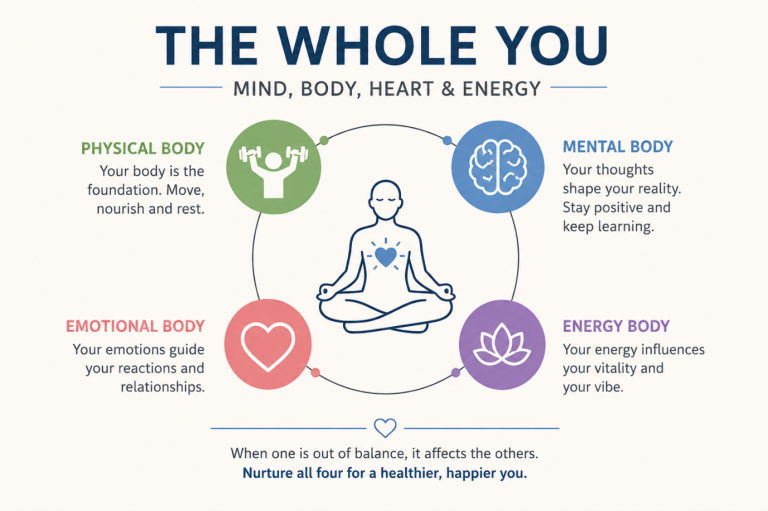
The Whole You: Mind, Body & Energy
True wellness begins with balance within
- Priya
- ON
- Health Tips, Mindset & Motivation
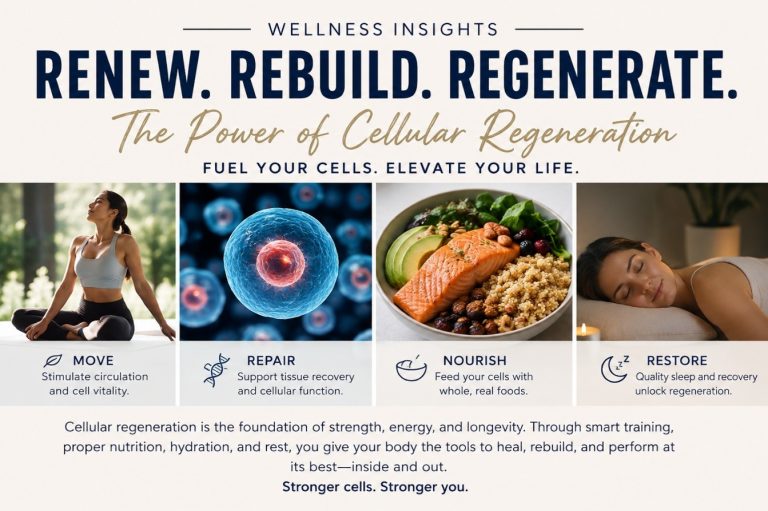
Cellular Regeneration: Renew from Within
Why It Matters for Fitness & Wellness. Train, Recover, Regenerate
- Priya
- ON
- Mindset & Motivation
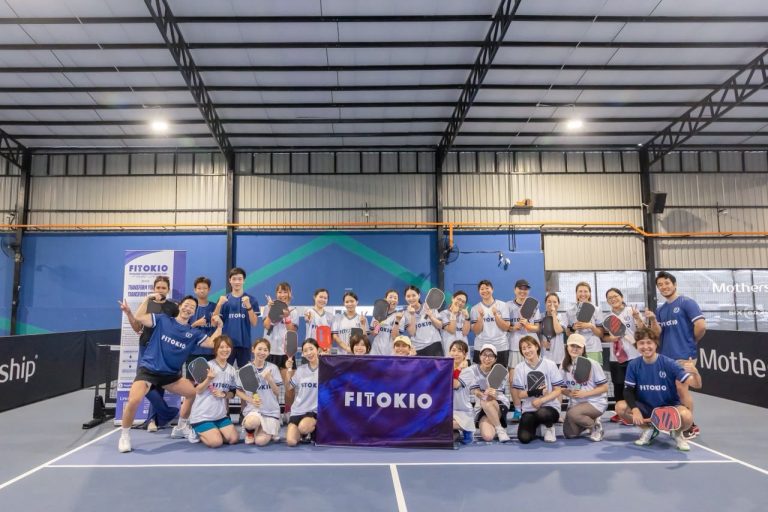
【FITOKIOピックルボールの会】
FITOKIOが主催ピックルボールサークルを毎週月曜日にて定期開催いたします!!
- Gucci
- ON