
The Ectomorph Blueprint
- by Priya
- on
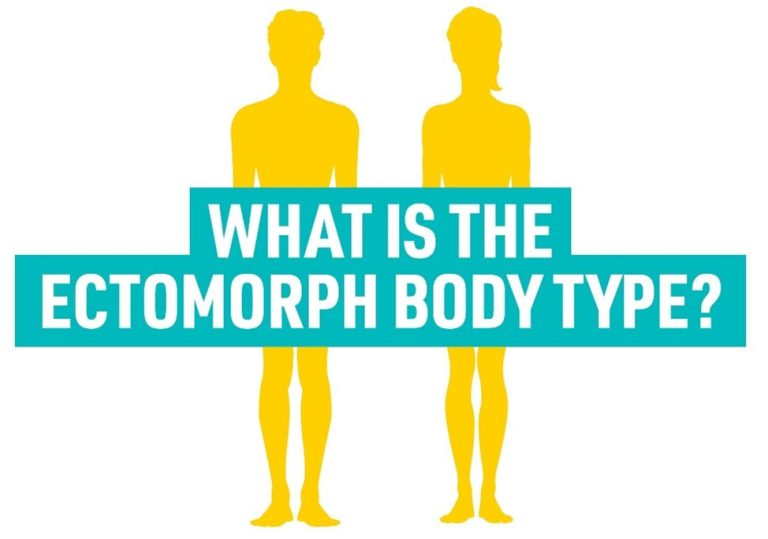
At our fitness studio, we believe understanding your body’s natural blueprint is the first step toward sustainable health and performance.
What Is an Ectomorphic Body Type?
The ectomorph phenotype is characterized by a naturally lean frame, narrower shoulders and hips, lower body fat storage, and a generally lighter bone structure. Individuals with this body type often have:
- Fast metabolisms
- Difficulty gaining weight or muscle mass
- Longer limbs and smaller joints
- High daily movement tendencies
- Strong endurance potential
While body types are not absolute categories, the ectomorphic phenotype is strongly linked to genetic expression involving metabolism, thyroid activity, nervous system sensitivity, and energy expenditure.
Lifestyle Patterns of the “Natural Sensor” Ectomorph
Ectomorphic “sensor” personalities often naturally gravitate toward:
- Quiet cafés or calm spaces
- Solo workouts or focused training
- Creative work
- Music, art, design, or philosophy
- Deep conversations over large social settings
- Structured routines that reduce overstimulation
To stay balanced, they usually benefit from:
- Breathwork
- Mobility and stretching
- Quality sleep
- Meditation
- Sauna or massage therapy
- Nature exposure
- Lower caffeine intake
- Intentional downtime away from screens and noise
The Ectomorph as the “Natural Sensor”
In neurochemical personality frameworks, ectomorphic individuals are often described as:
- Highly perceptive
- Sensitive to environmental changes
- Mentally active
- Intuitive and observant
- Emotionally aware
- Internally stimulated rather than externally forceful
This “sensor” characteristic aligns loosely with vasopressin’s role in:
- Social awareness
- Environmental alertness
- Memory and recognition
- Emotional bonding
- Threat detection
- Water and stress regulation
Because ectomorphs are often naturally hyper-aware, they may experience:
- Sensory overload
- Mental fatigue
- Anxiety under chaotic environments
- Difficulty fully switching off mentally
This is why relaxation practices become extremely important for them.
Vasopressin & the Nervous System
Vasopressin works closely with the hypothalamus and nervous system to maintain internal balance, especially during stress and dehydration.
For highly sensitive ectomorphic personalities, this can translate into:
- Increased awareness of body sensations
- Strong intuition toward people and environments
- Higher responsiveness to emotional tension
- Greater need for calm environments and recovery rituals
Many naturally lean individuals also report that crowded, noisy, or highly stimulating spaces drain them faster than other body types.
A Balanced Perspective
The idea of vasopressin being dominant in ectomorphic individuals is more of a neurotype or behavioural interpretation rather than a universally accepted medical classification.
But as a symbolic framework, it does help explain why many ectomorphic personalities tend to function like highly tuned sensors:
- absorbing information rapidly,
- reacting strongly to stress,
- and needing intentional recovery to stay balanced.
In fitness coaching, understanding these personality and nervous system tendencies can be just as important as understanding muscles and metabolism.
How Ectomorphs Should Relax and Unwind
Recovery is not optional for ectomorphs — it is essential.
Prioritize Nervous System Recovery
Activities that calm the body help reduce excessive cortisol output and improve overall performance.
Recommended recovery practices include:
- Deep stretching
- Mobility sessions
- Breathwork
- Yoga
- Massage therapy
- Sauna sessions
- Nature walks
- Meditation
Improve Sleep Quality
Sleep is one of the most important tools for muscle repair and hormonal balance. Ectomorphs benefit greatly from consistent sleep schedules and reduced nighttime stimulation.
Reduce Excessive High-Intensity Training
Too much cardio or intense training without recovery may increase cortisol and slow muscle development.
A balanced training structure with:
- Strength training
- Controlled conditioning
- Recovery sessions
- Mobility work
is often far more effective long term.
Eat Consistently
Because their metabolism burns energy rapidly, ectomorphs should avoid long gaps between meals. Nutrient-dense meals rich in protein, healthy fats, and complex carbohydrates support recovery and stable energy.
Final Thoughts
The ectomorphic body type is more than simply being “skinny.” It reflects a deeper biological pattern involving metabolism, genetics, hormonal balance, and nervous system behaviour.
Understanding these natural tendencies allows ectomorphs to train smarter, recover better, and build a lifestyle that supports both physical performance and mental wellbeing.
Instead of fighting against their biology, ectomorphic individuals thrive when they learn how to balance movement with recovery, stimulation with relaxation, and intensity with restoration.
At the end of the day, fitness is not about forcing every body into the same system — it is about understanding the unique blueprint you were born with and learning how to optimize it naturally.
ANOTHER BLOGS

- Health Tips, Mindset & Motivation
The Human Reset: The Science and Art of Recovery
As science unlocks the secrets of sleep, cellular repair, and the mind-body connection, humanity is beginning to rethink what it truly means to be healthy.
- Priya
- ON

- Health Tips, Mindset & Motivation
Neuro-Cognitive Training: Fitness for the Brain
Train Your Mind, Transform Your Body Fitness is not only about building strength, endurance, or flexibility—it also involves training the brain.
- Priya
- ON
- Health Tips, Mindset & Motivation, Workout Guides
Geometric Alignment: The Foundation of Better Movement
How Movement Shapes Posture and Balance The human body is an interconnected system where alignment, balance, and movement work together.
- Priya
- ON

- Health Tips, Mindset & Motivation
Light Therapy: The Future of Healing; A New Era of Regeneration
When Light Becomes Part of the Healing Process. The future of wellness & healthcare may be brighter than we think. Light therapy is gaining momentum as science uncovers how specific wavelengths can interact with cells and support natural recovery, regeneration and repair.
- Priya
- ON