
5 Common Deadlift Mistakes That Are Hurting Your Back
- by Atsu
- on
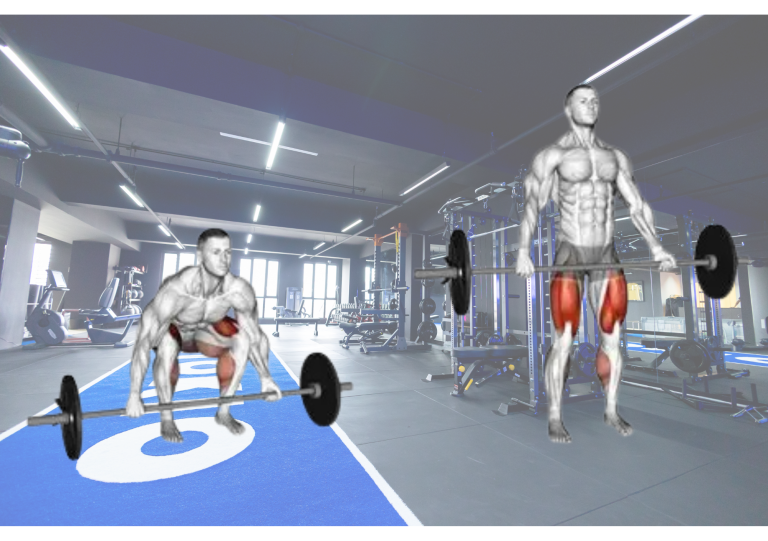
The deadlift is arguably the most powerful exercise for building total-body strength, but it’s also the easiest to get wrong. A poor deadlift can lead to serious back pain, while a perfect one can transform your physique.
At our Shah Alam gym, our trainers see the same form errors time and time again. Here are the top 5 and how to fix them for a stronger, safer lift.
1. Rounding Your Lower Back Why it’s bad: This puts immense pressure directly on your spinal discs instead of your muscles, leading to potential bulges or herniation. The Fix: Before you lift, pull your shoulders back and down. Keep your chest up and think about showing the logo on your shirt to the wall in front of you. Squeeze your lats to lock your spine in a neutral position.
2. Jerking the Bar Off the Floor Why it’s bad: This uses momentum, not muscle, and can shock your system, leading to injury. It also means you lose tightness before the lift even begins. The Fix: Think of it as “pulling the slack out of the bar.” Create tension throughout your body—lats, hamstrings, glutes—before the bar leaves the floor. The movement should be a powerful, smooth push from your legs.
3. Letting Your Hips Rise Too Fast Why it’s bad: Your legs straighten out early, turning the lift into a dangerous stiff-legged deadlift that primarily strains your lower back. The Fix: Your hips and shoulders should rise at the same time. Focus on driving your feet through the floor as if you’re doing a leg press.
4. Keeping the Bar Too Far From Your Body Why it’s bad: The further the bar is from your center of gravity, the more leverage it has against you, putting massive strain on your lower back. The Fix: The bar should practically scrape your shins on the way up. Wear long socks or pants if you need to! Keep the bar as close to your body as possible throughout the entire lift.
5. Hyperextending at the Top Why it’s bad: Leaning back excessively at the top of the lift compresses your lumbar spine for no added benefit. The Fix: Finish the lift by standing up tall. Squeeze your glutes hard. Your body should form a straight line. There’s no need to lean back further.
Feeling unsure about your form? Grab one of our certified trainers for a quick check. A small correction can make a world of difference!
ANOTHER BLOGS

- Health Tips, Mindset & Motivation
The Human Reset: The Science and Art of Recovery
As science unlocks the secrets of sleep, cellular repair, and the mind-body connection, humanity is beginning to rethink what it truly means to be healthy.
- Priya
- ON

- Health Tips, Mindset & Motivation
Neuro-Cognitive Training: Fitness for the Brain
Train Your Mind, Transform Your Body Fitness is not only about building strength, endurance, or flexibility—it also involves training the brain.
- Priya
- ON
- Health Tips, Mindset & Motivation, Workout Guides
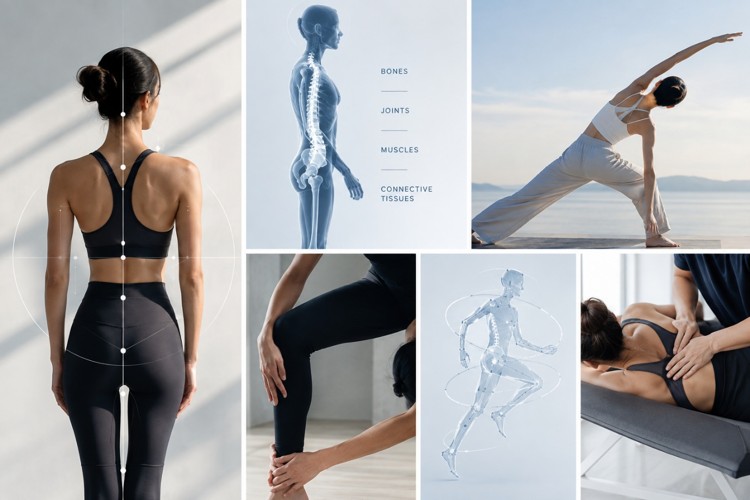
Geometric Alignment: The Foundation of Better Movement
How Movement Shapes Posture and Balance The human body is an interconnected system where alignment, balance, and movement work together.
- Priya
- ON

- Health Tips, Mindset & Motivation
Light Therapy: The Future of Healing; A New Era of Regeneration
When Light Becomes Part of the Healing Process. The future of wellness & healthcare may be brighter than we think. Light therapy is gaining momentum as science uncovers how specific wavelengths can interact with cells and support natural recovery, regeneration and repair.
- Priya
- ON